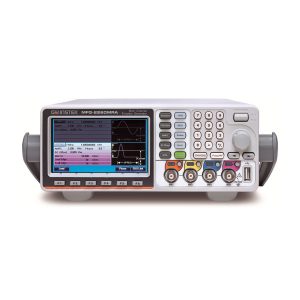
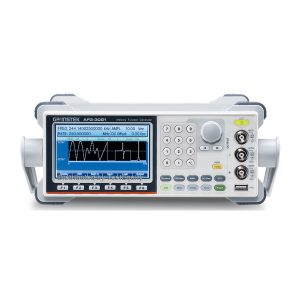
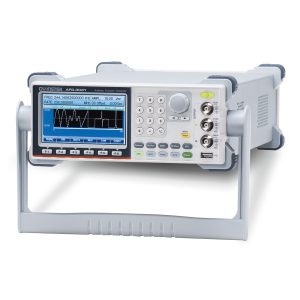
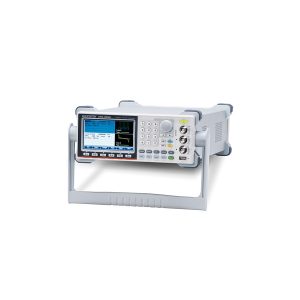
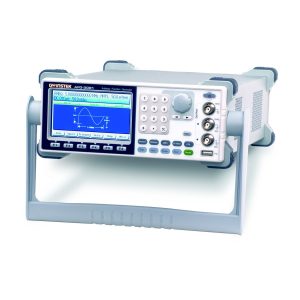
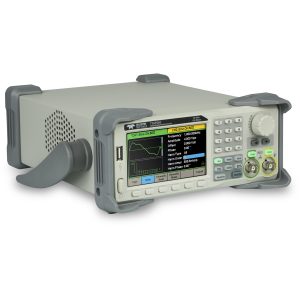
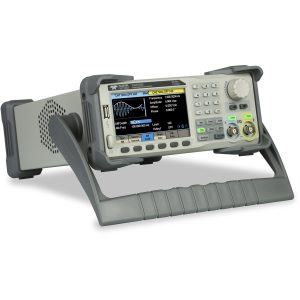
In the world of electronics design, testing, and validation, the signal generator is a foundational instrument. It’s the “oracle” that provides the known stimulus to which a device under test responds. Whether you’re verifying a new RF receiver, testing audio circuitry, or characterizing a high-speed digital system, the integrity of your entire test hinges on one critical assumption: the signal generator is accurate.
An out-of-spec generator doesn’t just give bad data; it creates a cascade of problems—failed product designs, wasted debugging hours, and costly production rework. To prevent this, a proactive maintenance regimen is not just recommended; it’s essential.
Here’s your guide to ensuring your signal generator remains a trusted source of truth for years to come.
1. The Foundation: A Stable and Benign Environment
Your signal generator is a precision instrument, and its performance begins with its surroundings.
-
Temperature & Humidity: Operate the instrument within its specified environmental range (typically 20°C to 30°C). Avoid rapid temperature swings, which can cause internal components to expand and contract, leading to calibration drift. High humidity can lead to condensation and corrosion, while very low humidity increases the risk of electrostatic discharge (ESD).
-
Cleanliness: Keep the generator in a clean, dust-free environment. Dust acts as an insulator, trapping heat and causing components to run hotter than designed, accelerating aging and drift.
-
Vibration & Physical Shock: Place the instrument on a stable bench. Avoid locations with heavy foot traffic or near other equipment that causes vibration. Physical shock can misalign internal components, damage sensitive filters, and loosen connectors.
2. The First Line of Defense: Proper Handling and Connections
The front panel is where accuracy is most easily compromised.
-
Handle Connectors with Care: The output connector (e.g., BNC, N, SMA) is the most used and abused part of the generator.
-
Torque, Don’t Twist: Always use a torque wrench for RF connectors. Over-tightening can damage the mating surface and center pin, while under-tightening creates an unreliable connection that introduces signal loss and reflections.
-
Use the Right Adapters: Avoid “adapter chains.” Each additional mechanical interface is a potential point of failure and signal degradation. Invest in high-quality, precision adapters when necessary.
-
Keep it Clean: Use compressed air or specialized connector cleaning kits to remove dust and debris from the output port before making a connection.
-
Protect Against ESD and Overload:
-
ESD: Always ground yourself and use an ESD-safe workstation when connecting cables.
-
Electrical Overload: Never connect the generator’s output to a circuit with a voltage potential. This is a common cause of damage to the sensitive output attenuator and amplifier stages. If testing a powered device, use DC-blocking capacitors or external attenuators for protection.
3. The Heart of Accuracy: Understanding Calibration
Calibration is not a single event but a process. There are two key types to understand:
-
User Calibration (Self-Alignment): Modern signal generators often include a user-performed routine that adjusts internal circuitry against a stable reference. This corrects for short-term drift due to aging and temperature. Perform this calibration as recommended by the manufacturer, typically every 3 to 12 months, or after a significant temperature change.
-
Metrology Calibration (Certification): This is a full performance verification and adjustment performed by a certified metrology lab (or a trained in-house metrology team). Using equipment with a higher accuracy standard than your generator (a higher “test uncertainty ratio”), they measure dozens of parameters (output power, frequency accuracy, harmonic distortion, etc.) and adjust the instrument to bring it back within its published specifications. This should be done on a regular cycle, typically annually.
Don’t Wait for Failure: The goal of a proactive calibration schedule is to catch drift before it causes your instrument to fall out of spec. An instrument that fails its annual calibration has likely been producing questionable data for some time.
4. The Internal Guardian: Managing Wear and Power
-
Warm-Up Time: Always allow the generator to warm up for the time specified in its manual (usually 15-30 minutes). This allows the internal oscillators and reference to reach a stable thermal state, ensuring frequency and amplitude accuracy from the start of your test.
-
Cooling Vents: Keep the instrument’s cooling vents unobstructed. Blocked vents lead to overheating, which is a primary cause of long-term component degradation and sudden failure. Regularly inspect and clean the air filters if your model has them.
-
Battery for Memory: Many generators have an internal battery or non-volatile memory to retain settings and calibration data. Be aware of its expected lifespan (often 5-10 years). Plan for its replacement before it fails and causes data loss.
5. The Digital Lifeline: Software and Firmware
Accuracy isn’t just about the analog signal; it’s also about the digital control.
-
Firmware Updates: Manufacturers regularly release firmware updates that can fix bugs, improve performance, and sometimes even enhance accuracy or add new features. Check the manufacturer’s website periodically for updates.
-
Drivers and Software: Ensure you are using the latest drivers and companion software for communication with a PC (e.g., SCPI over LAN, USB, or GPIB). Outdated software can lead to communication errors and incorrect instrument control.
Building Your Maintenance Checklist
Conclusion: An Investment in Reliability
Treating your signal generator as a disposable commodity is a costly mistake. View it instead as a long-term investment in the integrity of your work. A disciplined maintenance routine—centered on a stable environment, careful handling, and a rigorous calibration schedule—is a small price to pay for the immense value of unwavering confidence in your test results. By being a diligent keeper of your signal generator, you ensure it remains the definitive source of truth in your lab for years to come.